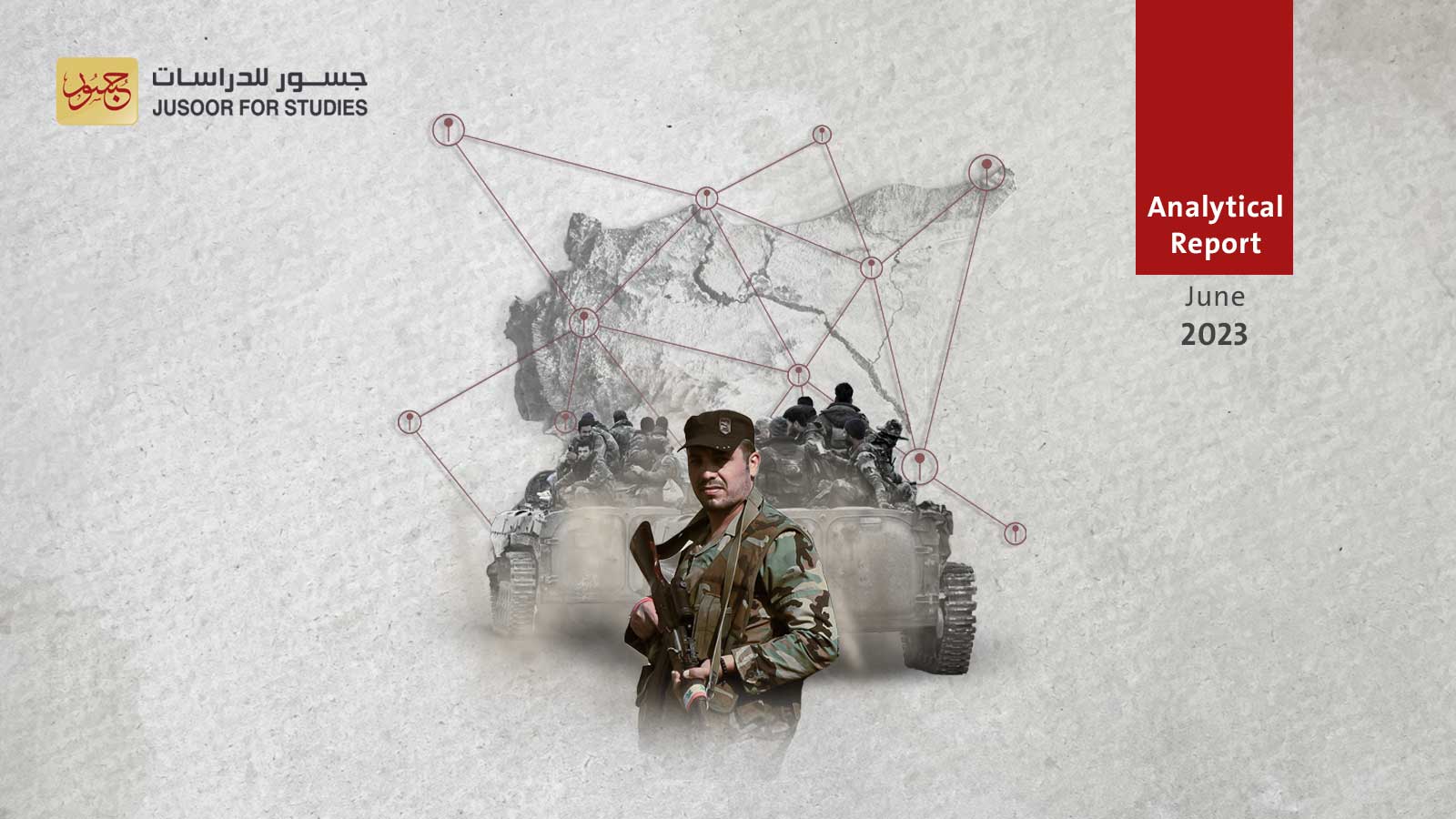
The formation of the Fourth and Fifth Corps signifies a transition from the militarization of Syrian society pursued by the regime to the militarization based on sectarian lines.
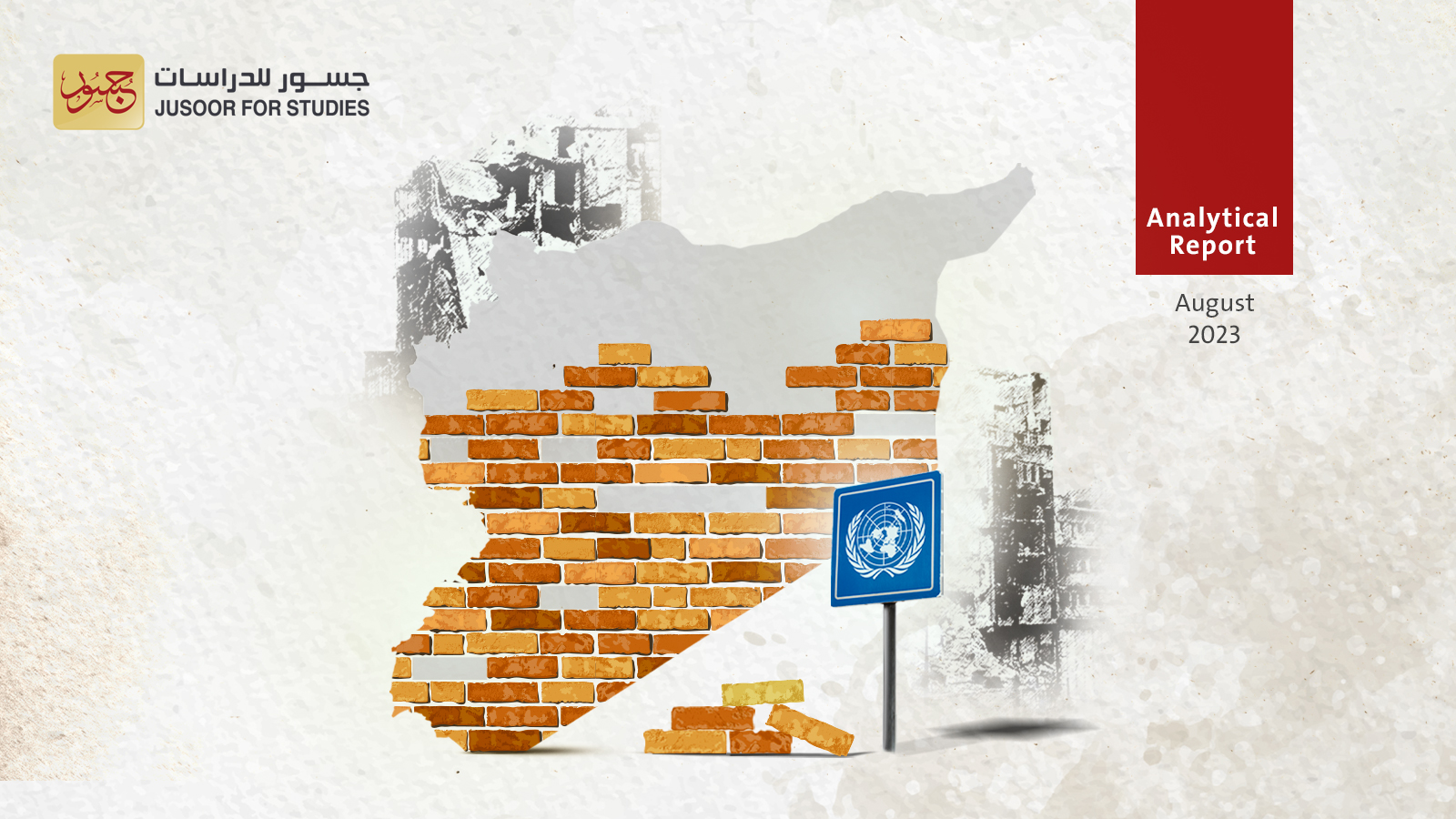
The sustainability of early recovery projects teeters on the brink of donor burnout. However, the projects still hold the potential for growth in impact, reach, and scale, especially if the agendas of donor countries intersect harmoniously with the priorities of local players.
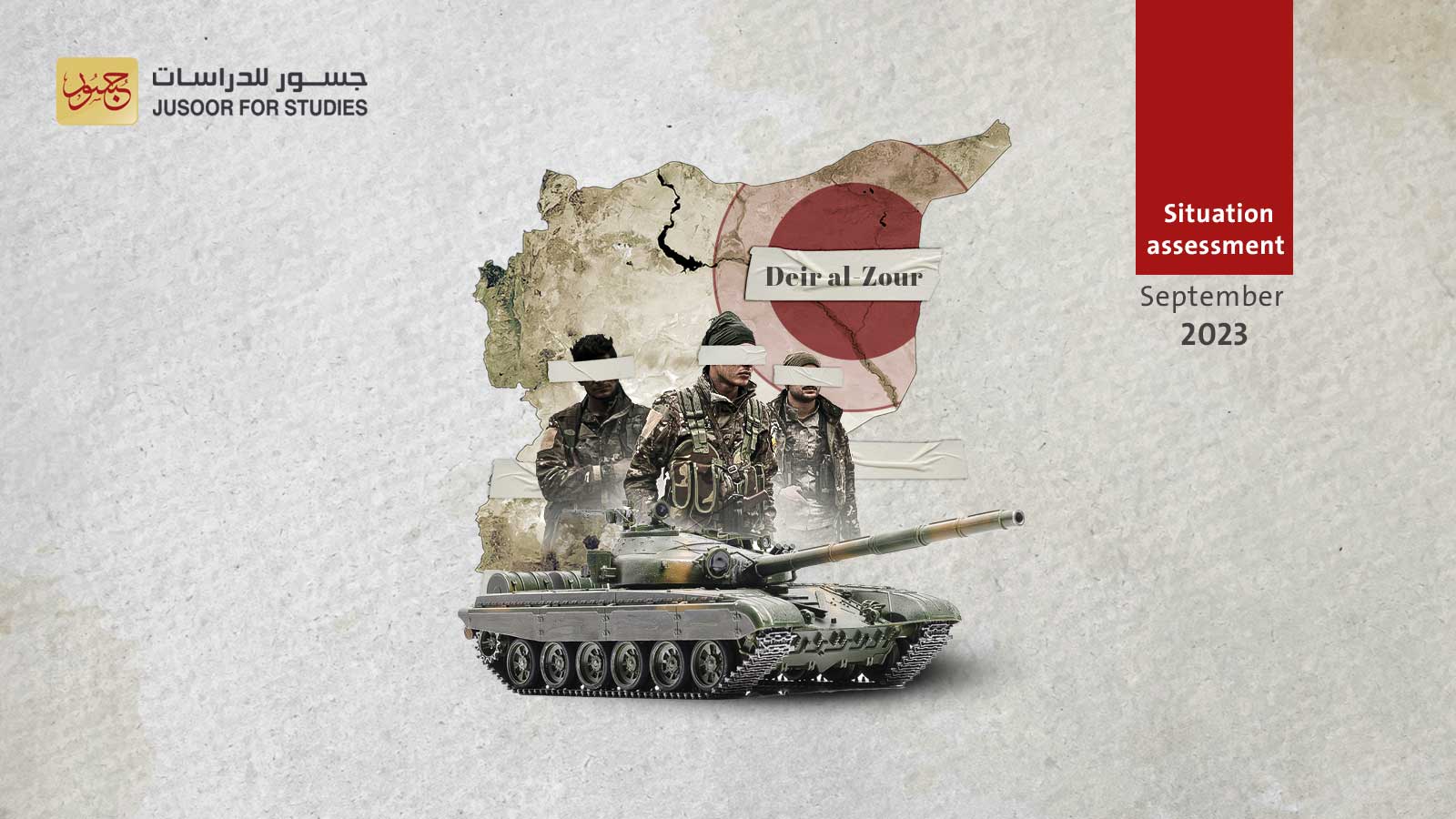
Recently, the areas east of the Euphrates in Deir al-Zour have been the stage for extensive clashes, pitting the Syrian Democratic Forces on one side against tribal fighters and members of the Deir al-Zour Military Council on the other.
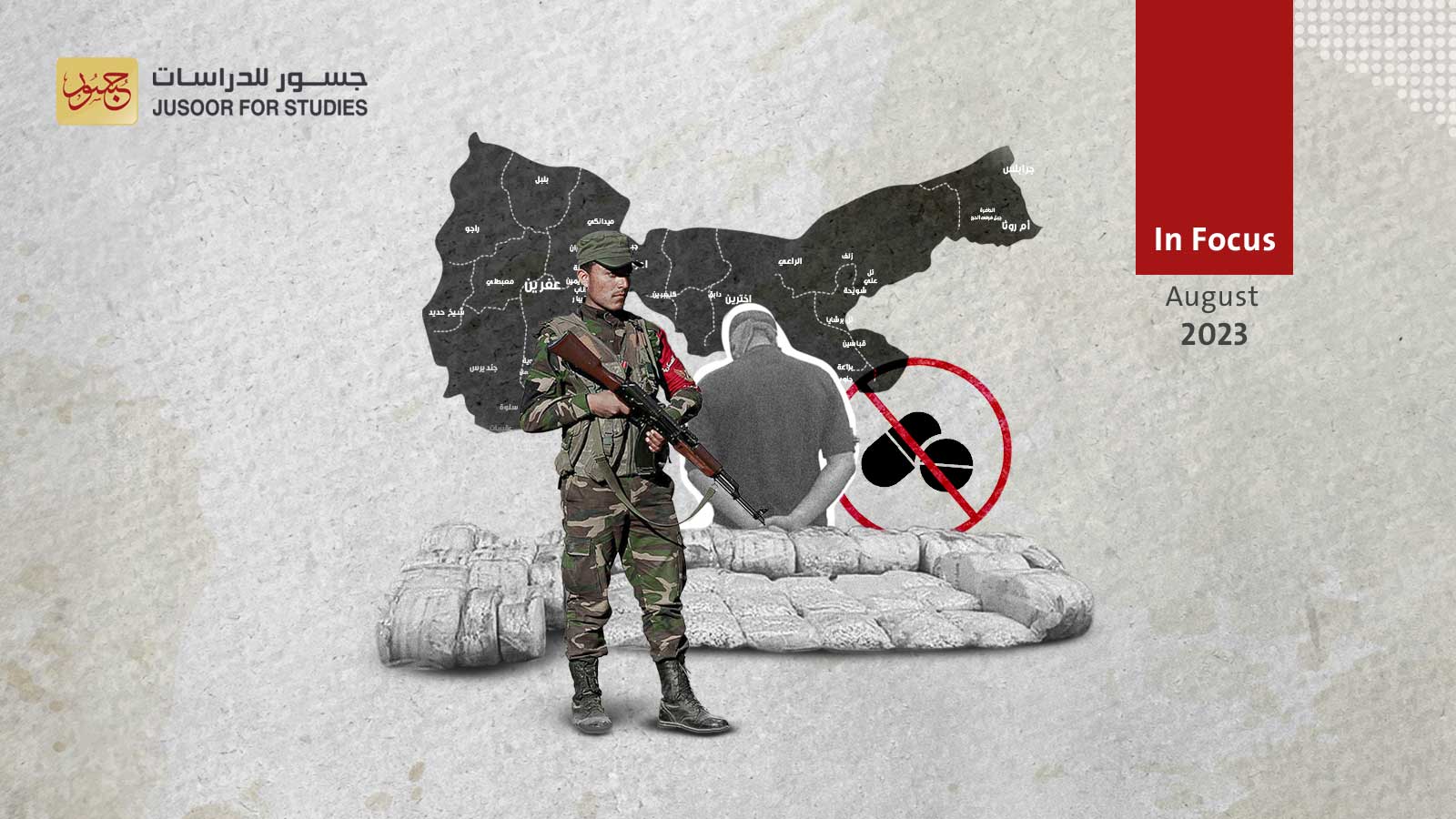
Over the last two months, areas in Northern Aleppo under Syrian opposition control have embarked on an intensified anti-drug campaign, focusing on trafficking and production networks. This initiative stands out as the most expansive compared to its predecessors, marked by several armed clashes with sought-after individuals.
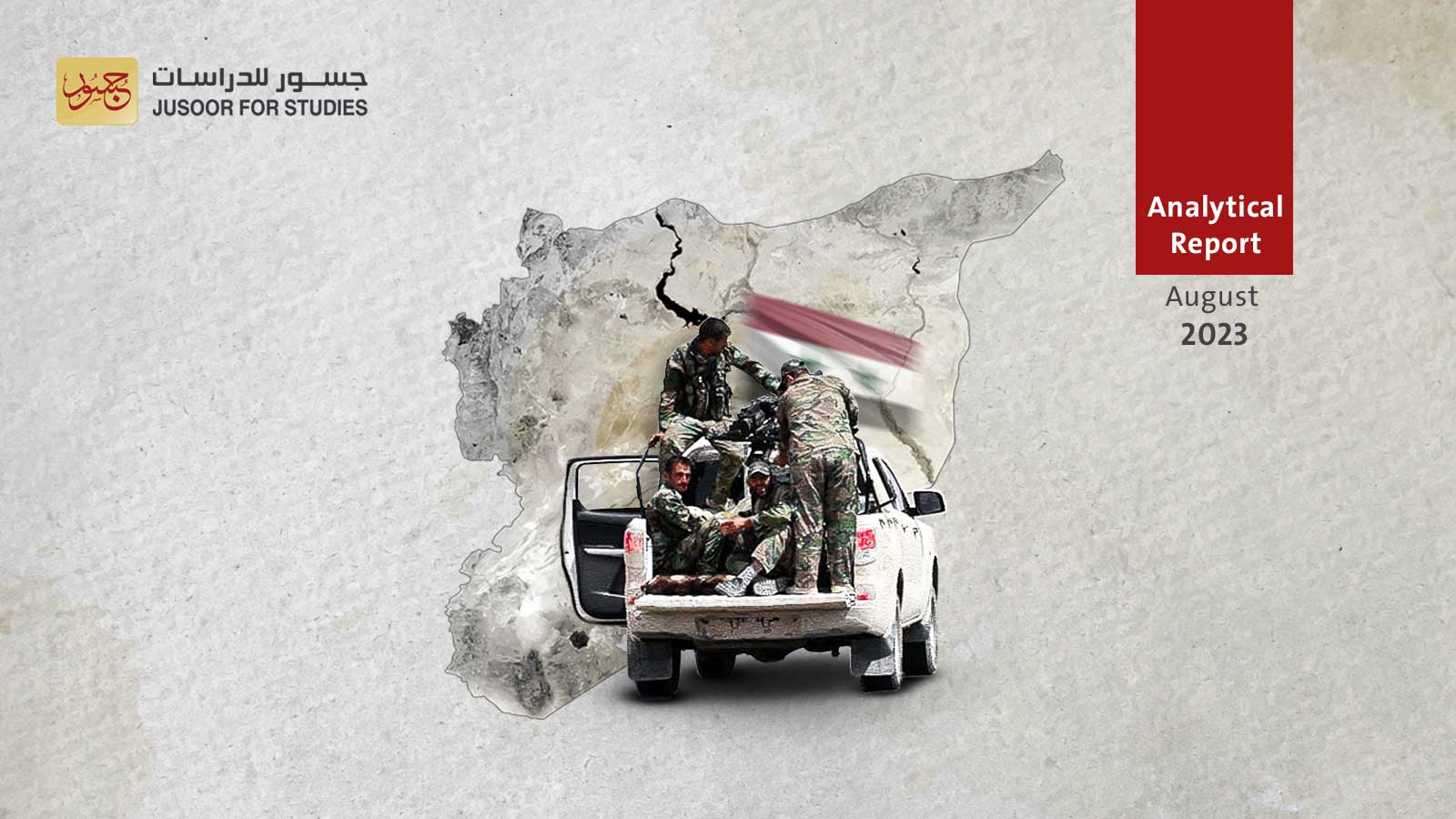
The paramilitary forces represent one of the armed entities established by the regime shortly after 2011. Unlike official military units, they lacked a distinct military doctrine and centralized leadership.
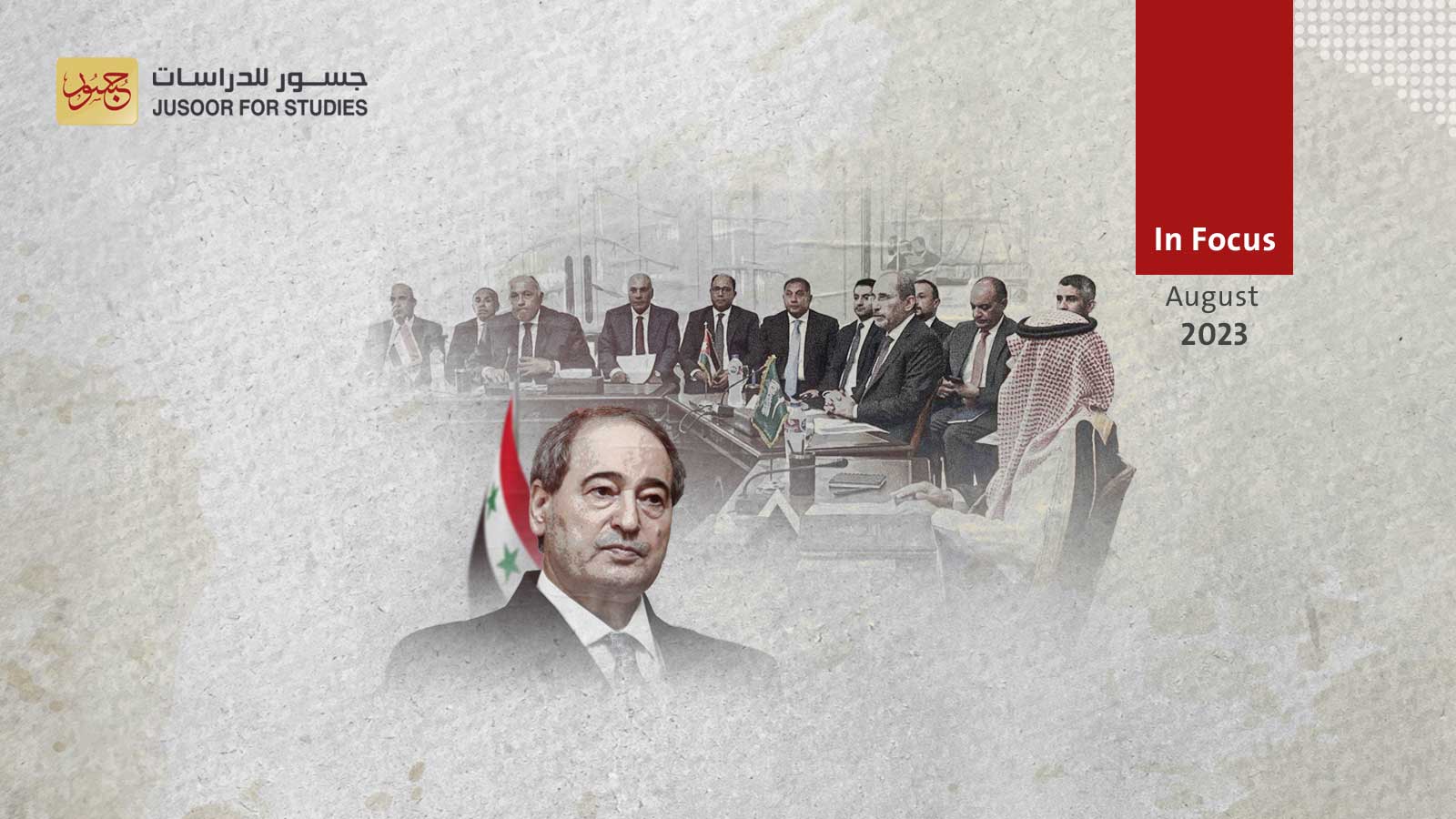
The Arab Liaison Committee on Syria convened its maiden session in Cairo, advancing fresh proposals anchored in the Amman declaration's framework. Yet, there's a prevailing sentiment that the regime might revert to its familiar strategy of 'immersing in minutiae' in its interactions with the committee.
Decentralized technology is a new term used by the Syrian regime's leader during his visit to a small power station under construction in the city of Baniyas.
ISIS delayed acknowledging the death of its leader for four months, but eventually announced the appointment of a new leader and spokesperson. They conveyed multiple messages.
Syrian regime's president, issued administrative order, ending retention,call for non-commissioned officers,reservists retained&enrolled, who served actual reserve service for 6.5 years or more
Since 2011, the country has been witnessing a continuous wave of illegal migration, with three major waves recorded. The first peak was in 2012, the second in 2015, and the third in 2021. During these years, approximately 7 million refugees left Syria, in addition to a similar number of internally displaced persons (IDPs) who are typically seen as a major source of refugee flow to the world.